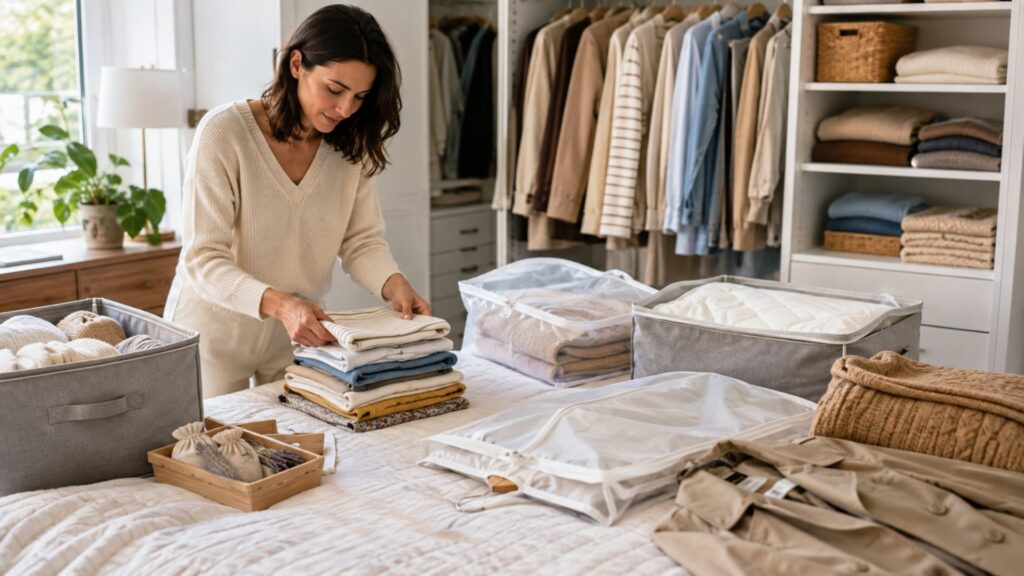
October marks the moment when the household dynamic shifts: lightweight clothing makes way for sweaters, coats, duvets, throws, and heavier fabrics. However, seasonal wardrobe rotation should not merely be an organizing task. It is also the ideal opportunity to inspect, clean, and protect garments before storing them away or putting them back into use.
Dust, lint, hair, pet dander, traces of sweat, creams, perfumes, and subtle odors can linger on fabrics even when they are not immediately visible. If items are sealed inside wardrobes, garment bags, or storage boxes without proper cleaning, it can make reusing them next season far less pleasant.
A simple routine helps preserve fabrics better, keeps your wardrobe cleaner, and prepares your home for the arrival of winter.
Empty the Wardrobe Before Refilling It
The first mistake to avoid is removing summer garments and immediately replacing them with winter ones. Before filling the wardrobe, it is best to completely empty it and inspect shelves, drawers, corners, hanging rods, boxes, and garment bags.
Dust tends to accumulate in the least visible areas: the bottom of drawers, runner tracks, high shelves, and inside corners. A quick but thorough cleaning provides a tidier, more suitable environment for fabrics that will remain enclosed for several months.
To clean the inside of the wardrobe, it is preferable to choose mild, non-aggressive products suited to the specific surfaces. A slightly damp cloth may be enough to remove dust from shelves, while a neutral detergent, used in small amounts, is helpful for drawers and corners—ensuring everything dries completely before putting clothes away. It is best to avoid overly scented or hard-to-rinse products, as they can leave residues or transfer odors to the fabrics.
Hangers also deserve attention, especially those meant for heavy coats, jackets, and sweaters. If they have been sitting unused for a long time, it is best to clean them before organizing the new season’s wardrobe.
Check Summer Garments Before Storing Them
Summer clothes should not be put away simply because they look clean. T-shirts, shirts, light dresses, linen trousers, scarves, and light-colored fabrics can retain sweat, sunscreen, perfume, dust, and smog.
Before storing them, it is a good idea to check each item under natural light, paying close attention to delicate areas such as collars, underarms, and cuffs. Light stains can become more pronounced after months in the wardrobe, while faint odors can intensify if fabrics are sealed inside bags or boxes.
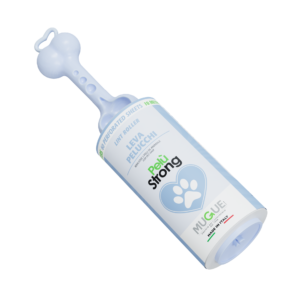
Garments worn even just once should be washed or refreshed before storage. Items that are already clean can be neatly folded after removing lint, hair, and dust from the surface. For this step, an adhesive lint roller like Pelù Strong is highly effective in preparing garments before they are put away.
Preparing Winter Garments for Their Return to the Wardrobe
Sweaters, coats, scarves, blankets, and duvets have been sealed away for months. Even if they were clean when stored, it is advisable to air them out before use.
Opening bags and containers, gently shaking the fabrics, and letting them breathe for a few hours helps eliminate the musty, “closed-up” smell. It also allows you to check for any traces of dust, lint, or marks left from storage.
Garments made of wool, cashmere, and more delicate fabrics deserve a closer look. This is the perfect time to check for pulled threads, small holes, felted areas, or pilling. Taking action right away prevents the problem from worsening during the winter.
To remove lint and residue from winter clothes before wearing them, you can use Pelù Recycled or Pelù Strong choosing the product that best fits the fabric type and frequency of use.
Moths: Why the Seasonal Wardrobe Change is the Right Time for Prevention
Moths do not just appear in cluttered wardrobes. They can be attracted to natural fabrics, garments left undisturbed for long periods, and organic residues remaining on fibers, such as sweat, skin cells, or hair.
During the seasonal change, wool sweaters, coats, scarves, blankets, throws, and blended fabrics containing natural fibers should be inspected one by one. Small holes, damaged threads, or worn-out areas are signs that should not be ignored.
Prevention begins with cleanliness: storing garments dry, clean, and free of residue reduces the risk of issues in the following months. The wardrobe itself should also be perfectly dry and organized, without dust accumulation in corners or clothes packed together tightly without space.
To protect fabrics from the risk of moths during the seasonal wardrobe change, Pelù Tarmastop can be integrated into your storage routine, especially when putting away wool or natural fiber garments.
Dust Mites, Dust, and Heavy Fabrics
With the arrival of autumn, textiles that spend long periods on sofas, beds, and armchairs return to the home: throws, blankets, sofa covers, duvets, and decorative pillows. While these are cozy elements, they can trap dust, hair, pet dander, and airborne particles.
Before putting them back into use, it is advisable to shake them out, air them, and remove surface dirt, especially if they have been sealed in bags or containers for several months.
Not everything needs to be washed immediately. Some fabrics can simply be refreshed and surface-cleaned, while others require a full wash. The choice depends on the type of fabric, its condition, and the instructions on the care label.
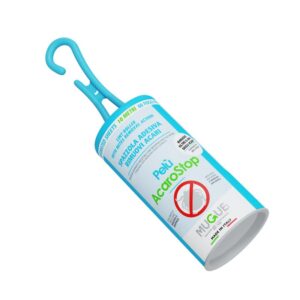
To remove dust and residues from heavy fabrics before winter, Pelù Acarostop is a useful solution to include when cleaning throws, blankets, duvets, and other household textile surfaces.
Musty Odors: How to Prevent Them Without Masking Them
One of the most common issues during the seasonal wardrobe change is a musty, “closed-up” smell. It can appear on garments left for a long time in boxes, non-breathable bags, or poorly ventilated wardrobes.
The first step is not to add fragrance, but to air things out. Garments should be left to breathe, while wardrobes and drawers should be opened to encourage air circulation. If a fabric retains a persistent odor, it is better to consider washing it rather than just masking the smell.
Once the main cause has been eliminated, you can focus on creating a fresh and clean feeling. Scenting fabrics makes sense only when the wardrobe has already been cleaned and the garments are dry, organized, and free of visible residue.
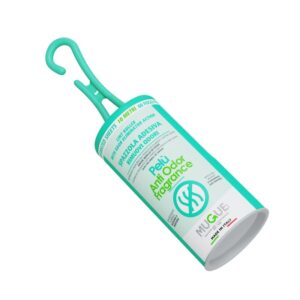
For fabrics that tend to hold onto smells, Pelù Anti Odor Fragrance can help complete the routine. To give garments a pleasant sensation of freshness instead, you can choose Pelù Magic Fragrance or Pelù Talco Fragrance, which are ideal after cleaning and before storing or reusing the textiles.




Garments, Boxes, and Bags: How to Store Without Over-Compressing
After cleaning, the way garments are stored also makes a difference. Summer clothes should be folded without being excessively squashed, especially when dealing with linen, lightweight cotton, or delicate fabrics.
Boxes are useful for organizing, but they should not be filled to the absolute limit. When garments are too tightly compressed, less air circulates, which increases the musty smell. It is best to divide textiles by category: lightweight tops, trousers, dresses, swimwear, scarves, and accessories.
For more delicate garments, breathable bags are often preferable to completely sealed solutions, especially if the wardrobe is located in a poorly ventilated room. Before storing any fabric, it is essential to ensure it is completely dry.
If You Have Pets at Home
In households with dogs and cats, the seasonal wardrobe change requires a little extra attention. Hair and lint easily settle on sweaters, coats, throws, blankets, and dark fabrics, even when pets do not directly enter the wardrobe.
Before storing summer clothes or putting winter ones back into use, it is helpful to go over the fabrics with a lint roller. The same applies to coats, scarves, blankets, and sofa covers that frequently come into contact with animals.
To remove dog and cat hair from garments, throws, and fabrics, Pelù Strong Pet is particularly suitable. Using it during the seasonal change helps limit the transfer of hair from one season to the next and makes daily fabric management much easier during the winter.