September is a transitional month, even inside the home. The days begin to shorten, wardrobes and drawers are reopened, and throws, light jackets, rugs, and fabrics that remained closed away or unused for weeks are back within reach. This is the moment when the home resumes its rhythms after the summer, but it is also when dust, hair, and allergens can accumulate more easily.
For those who live with dogs and cats, the seasonal change requires a bit of extra attention. It is not just about cleaning more often, but understanding where to intervene, which habits to modify, and how to create a simple routine that helps keep environments tidier, fresher, and more comfortable for the whole family, pets included.
Why the seasonal change is also felt at home
During the summer, many homes function differently: windows are left open longer, textiles are reduced to a minimum, there are fewer rugs, and more time is spent outside. In September, however, people start living in indoor spaces with greater continuity. The sofa becomes the go-to spot for evening relaxation once again, light blankets return to the daily routine, and clothes for the seasonal wardrobe change are moved, tried on, put down, and tidied away.
All this movement has a specific effect: it stirs up dust, textile fibers, trapped hair, and invisible particles that can settle on soft surfaces. If there are dogs or cats in the house, the phenomenon is even more evident, because hair tends to accumulate precisely in the most lived-in spots: pet beds, cushions, sofas, rugs, upholstered chairs, blankets, and corners near windows.
The first tip is to change perspective. The issue is not just “how much hair is on the floor,” but how much settles on fabrics before even reaching the floor.
Where hair, dust, and allergens accumulate
When thinking about home cleaning, people often start with the floors. It is natural: they are the most visible part and the one where clumps of hair, paw prints, and dust are immediately noticed. Yet, during the seasonal change, the real critical points are elsewhere.
The sofa, for example, collects hair every time a dog or cat climbs onto it, but also dust brought in by clothes. Curtains trap light particles and can become a silent receptacle for residues. Pet beds, if not aired out and cleaned regularly, concentrate hair, odors, and small traces of dirt. Even clothes just pulled out of the wardrobe can bring dust or lint with them, especially if they have remained closed in boxes or bags for a long time.
There is also a frequently underestimated spot: the entrance. This is where the dog comes back in after a walk, where bags and jackets are placed, and where the cat might lounge near the door or shoes. A small transit area can become, without us realizing it, the primary distribution point for dust and residues throughout the rest of the house.
For this reason, in September, it is best to think of cleaning as a small domestic strategy, rather than a continuous race against pet hair.
The right routine starts with the order of tasks
ùA common mistake is cleaning the floor first and only later dedication attention to sofas, blankets, and textile surfaces. The result is that dust and hair fall back down to the ground, making the work less effective.
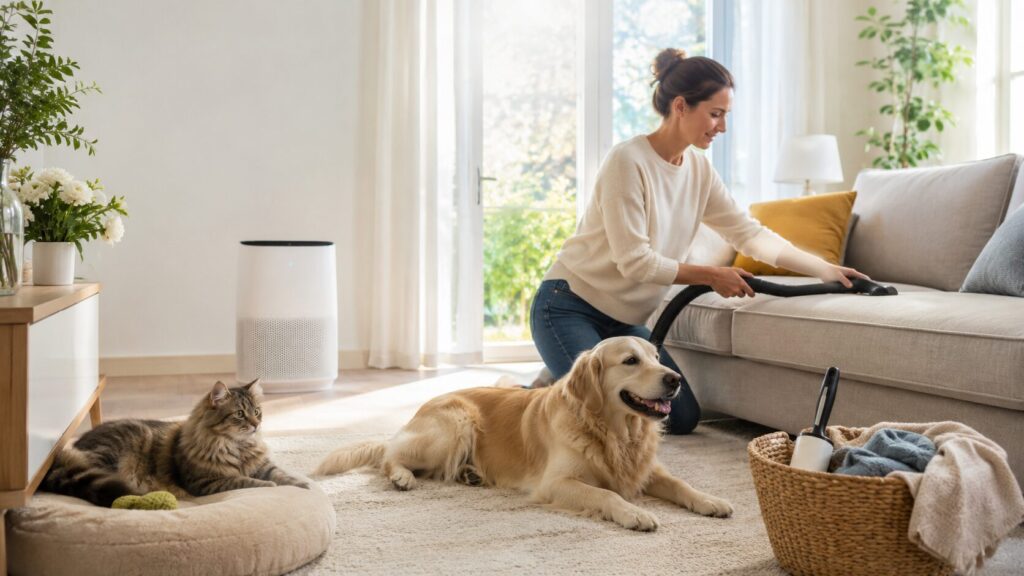
It is better to proceed from top to bottom and from fabrics toward hard surfaces. First, shake out and air cushions, throws, and small blankets. Next, move on to seating, pet beds, and rugs. Only at the very end should you clean floors and corners.
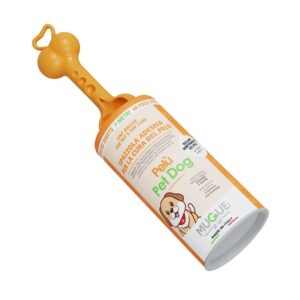
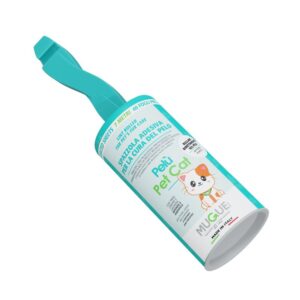
This method is simple, but it makes a big difference because it allows you to remove residues right where they actually form. A specific adhesive lint roller like Pelù STRONG PET can be particularly useful during this phase, especially on sofas, cushions, car seats, and fabrics where dog and cat hair tends to stick with more force. Using it before vacuuming or washing textiles helps make cleaning more targeted and less tiring.
The goal is not to make the house sterile, but to prevent every soft surface from becoming an accumulation point.
Dogs and cats: addressing hair before it reaches fabrics
Managing pet hair does not begin at the sofa; it starts with the animal. During seasonal transition periods, many dogs and cats go through phases of increased coat shedding. Hair loss is not always the same: it depends on breed, age, lifestyle, room temperature, and time spent indoors.
Brushing regularly is one of the simplest and most effective actions. For dogs, it can become a habit after a walk or before returning home in the evening. For cats, however, it is better to choose short and quiet moments without forcing them: a few constant minutes can work better than a long and unwelcome session.
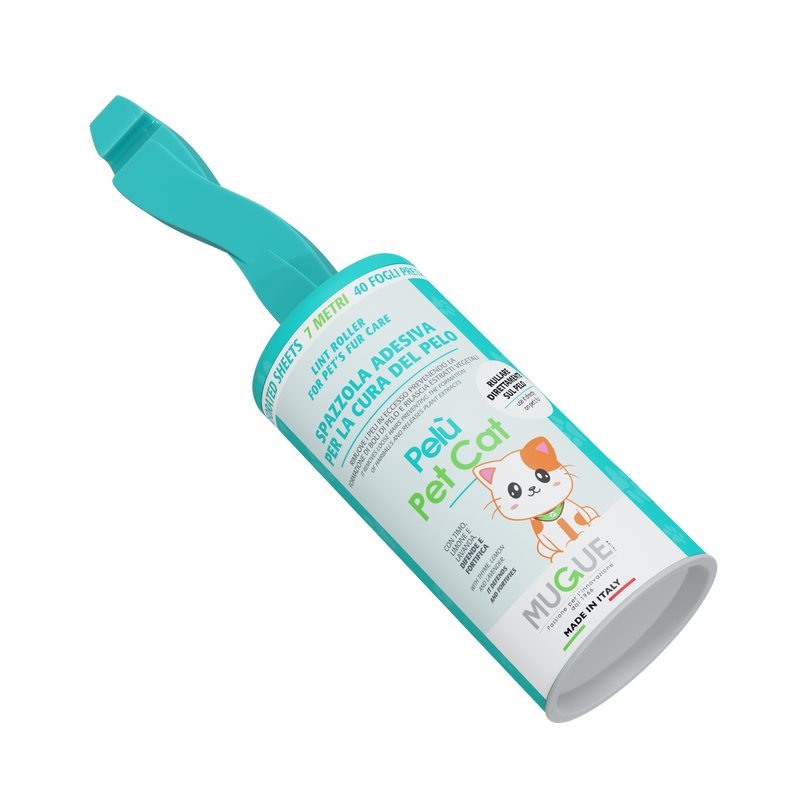
Products designed for coat care, such as Pelù PET DOG and Pelù PET CAT can be integrated into this routine, chosen based on the animal. The point is not just to remove excess hair, but to turn that action into a small daily preventive measure: less loose hair on the pet means less hair deposited on blankets, clothes, sofas, and pet beds.
A good tip is to create a “filter zone” near the entrance or at the spot where it is easiest to tend to the animal. A basket with a brush, a wipe, a small towel, and everything needed to clean up hair and paws before dirt enters the rest of the house can be enough.
The wardrobe change deserves attention, especially with pets in the house
September is also the month for a light wardrobe change. Heavy coats and winter duvets are not being pulled out just yet, but sweaters, jackets, sweatshirts, blankets, and warmer fabrics make a reappearance. If dogs and cats live in the home, this moment can become a good opportunity to prevent hair and dust from transferring from one environment to another.
Before putting away summer garments or retrieving autumn ones, it is useful to quickly run over the most exposed fabrics. Not just black clothes or elegant trousers: fabric bags, decorative cushions, throws, and covers can also trap hair and lint.
A small trick is not to do everything all at once. Dividing the wardrobe change into zones reduces stress and allows for better control over what comes in and what goes out. Clothes first, then bedroom textiles, and finally those in the living area. In this way, you avoid moving dust from one room to another and can intervene with more precision.


Mites and allergens: the role of fabrics
When temperatures begin to change and more time is spent indoors, it becomes important to pay attention to allergens as well. They cannot always be seen, but they can settle on mattresses, pillows, curtains, rugs, pet beds, and upholstered furniture.
The most useful advice is to reduce unnecessary accumulations. Fewer fabrics left static for weeks, fewer throws piled up on the sofa, fewer decorative cushions that are difficult to clean. This does not mean giving up a cozy home, but choosing a more practical management style: a few elements that are easy to air out, clean, and alternate.
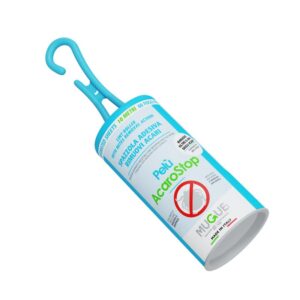
For the most exposed fabrics, especially during the seasonal change, it can be useful to integrate Pelù ACAROSTOP into the routine, which is designed for removing mites from fabrics. It is a product consistent with those areas of the house where dust and light particles concentrate: sofas, cushions, mattresses, rugs, and soft surfaces that take center stage again with the arrival of autumn.
Here too, consistency is the rule. Intervening a little but often works better than a deep clean done only when the situation is already out of control.
The pet bed is not a detail
The pet bed is one of the most important spaces for a dog or cat, but it is often treated as a secondary accessory. In reality, it is one of the places where hair, dust, odors, and residues brought in from the outside concentrate most easily.
In September, it is worth doing a quick check: is the cushion still in good condition? Is the blanket easy to wash? Is the pet bed in a dry and well-ventilated spot? Are there corners that are difficult to reach when cleaning?
A good solution is to use washable blankets and alternate them during the week. In this way, there is no need to continuously wash the entire pet bed, and the area where the animal rests is kept cleaner. For cats, it can be useful to observe which surfaces they actually prefer: they often choose a chair, a throw, or a corner of the sofa rather than the pet bed bought specifically for them. That becomes, in fact, the spot to manage with the most attention.
For dogs, on the other hand, returning from walks is the key moment. A quick cleaning of the paws, especially on damp days or after walking on dusty pavements, helps limit the dirt that reaches rugs and fabrics.
Do not cover up odors: understand where they come from
With the seasonal change, it can happen that the house feels less fresh. Windows open for shorter periods, textiles coming back into use, pets spending more time inside: everything contributes to changing the perception of the environments.
The advice, however, is not to limit oneself to covering up odors. First, you need to understand where they come from. Often the source is not the animal itself, but a blanket used for too long, a rug near the entrance, a poorly ventilated pet bed, or a corner of the sofa where hair accumulates.
A pet-friendly home does not need to have an intense fragrance. It should smell of cleanliness, air, and cared-for fabrics. It is therefore better to focus on regular washing, frequent hair removal, and good ventilation, avoiding strong fragrances in the areas where dogs and cats sleep or eat.
Small habits that truly make a difference
Prevention works when it is simple to maintain. Here are some useful habits to introduce in the month of September:
- Keep a lint roller near the entrance or the wardrobe;
- Air out pet beds and blankets during the driest hours of the day;
- Dedicate a washable textile to the dog or cat’s favorite spot on the sofa;
- Check car seats and pet carriers after trips, visits, or outings;
- Brush the pet regularly, respecting its timing;
- Clean fabrics and soft surfaces first, then floors.
These are small actions, but they help avoid the “I clean constantly, but the hair comes right back” effect. In reality, it comes back because the source was not managed: fabrics, pet hair, and transit areas must work together within the same routine.