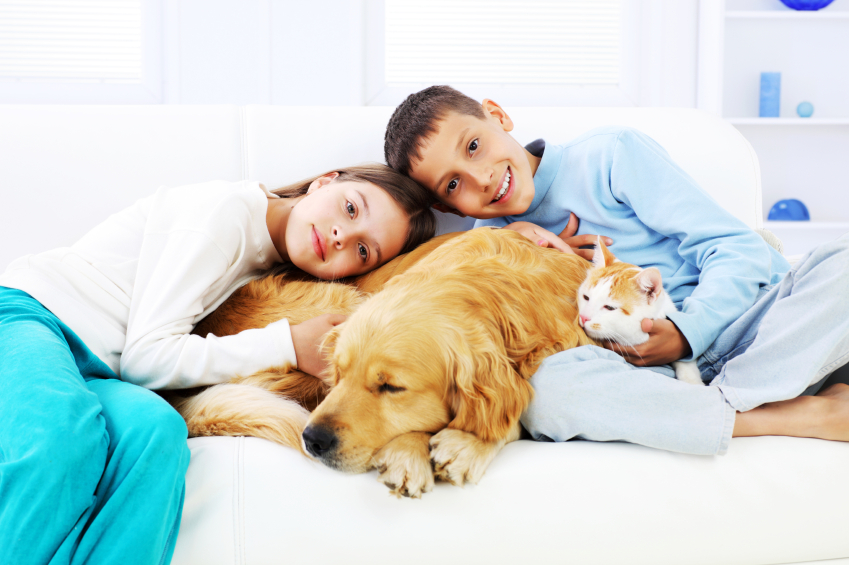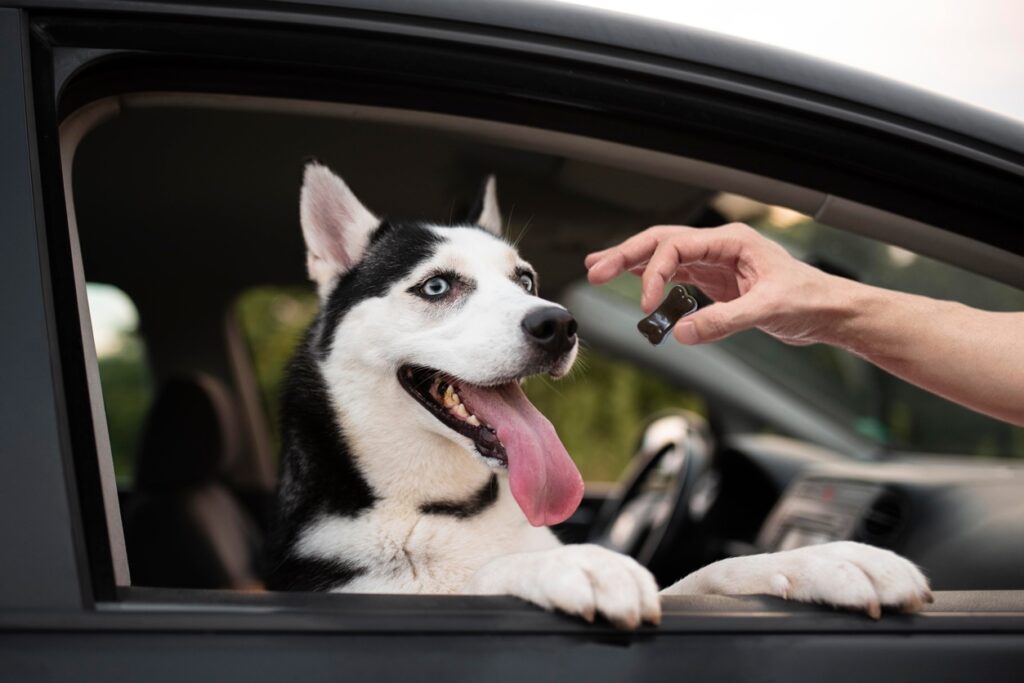

Living with a pet means sharing space, habits, affection… and inevitably also hair, smells, and a little mess. It’s a reality every pet owner knows well. Yet, what’s often overlooked is that daily pet care isn’t just for the pet’s benefit, but directly impacts the health, hygiene, and well-being of the entire family.
Caring for a dog or cat isn’t a set of obligations, but a balance of small gestures that, if done consistently, make the home cleaner, healthier, and more welcoming.
Taking care of your pet to live better together
Keeping a pet at home means, first and foremost, respecting its natural needs. Cleanliness falls squarely within this framework: we’re not just talking about bathing, but all those daily activities that help your pet feel good and, at the same time, prevent dirt and bacteria from accumulating in your home.
A well-groomed pet is a happier, more balanced animal, and less likely to soil the house. This becomes even more important when the animal lives in close proximity to the family, sleeps on the sofa or in the bedroom, or shares space with small children.
Dog: how and when to clean it
In the case of dogs, the issue is even more obvious. Every walk is a wonderful experience for them, but it also means they come into contact with asphalt, dirt, grass, pollen, and other animals. Coming home without a basic cleaning routine means bringing all of this to the sofa, carpet, or bed.
To avoid this, you need a simple but consistent routine that includes:
- regular brushing, stimulating for the skin and perfect for capturing excess hair;
- cleaning paws, especially after rain;
- cleansing the coat with delicate products, when necessary;
- check ears, eyes and sensitive areas.
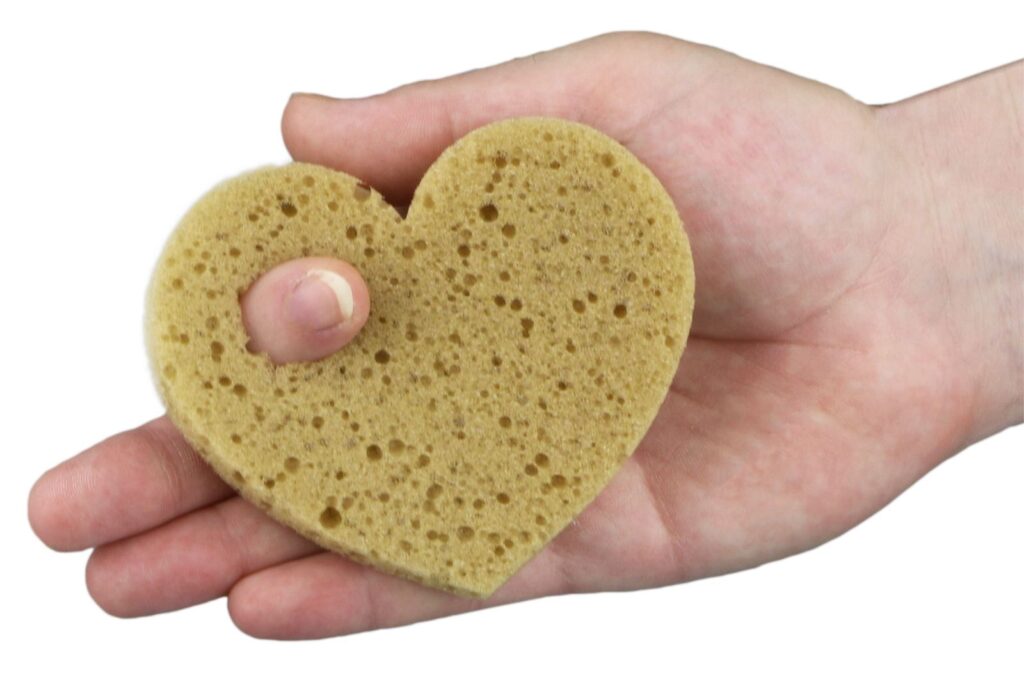
A practical and fast support, especially after outings, is PawClean, a perfect system for quickly removing dirt, mud and bacteria from pads and paws before they enter the house.
For a more complete and well-organized routine, it may be useful to rely on a set specifically designed for dog care, such as the Dog Kit which includes the essential tools for effective and safe hygiene.
These tools help turn cleaning into a moment of connection and not a nuisance: the dog benefits from it, and the house stays cleaner longer.
Cats: fewer baths, more prevention
Cats, on the other hand, are renowned for their independence. They bathe themselves, carefully groom their fur, and spend a great deal of their day grooming themselves. But that doesn’t mean they don’t need our support—quite the opposite.
Regular brushing is essential for at least three reasons:
- reduces the amount of dead hair that ends up in the house;
- prevents the formation of hairballs in the digestive tract;
- promotes healthy coat and skin.
A well-groomed cat sheds less hair, makes less mess, and helps keep the environment tidier, especially if it lives in an apartment.
To make the routine even more complete, there are dedicated kits such as the Cat Kit, which contains the essential tools for managing fur care in a simple and effective way.
These tools allow you to intervene delicately, respecting the cat’s sensitivity and helping it maintain a healthy and clean coat without stress.
Pet care affects home hygiene
When a pet is cared for consistently, the difference in the home is immediately noticeable: hair is reduced, odors are reduced, the air becomes healthier. This is even more true for families with children, allergy sufferers, or simply for those who want a tidy home without giving up the company of a pet.
Prevention is the real key: intervening before hair builds up or dirt spreads allows you to avoid more invasive and stressful cleaning.
In this case, tools such as lint rollers are indispensable daily allies for quickly removing hair from sofas, clothes and fabrics, effortlessly and without aggressive products.
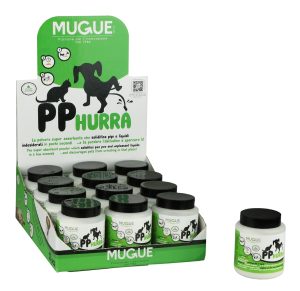
For cleaning environments, a highly effective solution is the PP HURRA’, a super-absorbent powder that solidifies pee and unwanted liquids in seconds and helps you break the habit of making a mess there.
Combining animal care with cleanliness creates a virtuous circle that maintains order and hygiene with very little effort.




Dogs and cats: two different approaches, one goal
Managing your dog’s and cat’s hygiene means first understanding how they move and interact with the home. These two animals have opposing behaviors that, if used well, can be turned to your advantage.
The dog has a dynamic routine: it comes in and out, explores, sniffs, runs. This leads it to spread dirt and bacteria more randomly and widely. Cats, on the other hand, have a more predictable routine: they sleep in the same spots, always use the litter box in the same place, and tend to deposit hair in recognizable areas.
Knowing where and how each of the two dirties allows for targeted intervention:
- with the dog it is useful to create a filter area at the entrance for cleaning the paws;
- With cats, defining preferred areas to keep clean more regularly works very well.
This approach not only reduces dirt in the house, but also allows you to keep it clean with less effort, simply by anticipating the animal’s natural behaviors.
The 5 Freedoms of Animal Welfare: The Starting Point
The 5 Freedoms of Animal Welfare aren’t just ethical guidelines: they’re also a concrete point of reference for understanding how the daily care of our dog or cat directly influences the quality of our home environment.
- Freedom from hunger and thirst:
Proper nutrition results in healthier fur, less shedding, and more resistant skin, reducing the presence of debris and dander in the environment. - Freedom from discomfort:
Keeping your coat clean with brushes and suitable products prevents irritation and bad odors, which are often the main cause of a less healthy home environment. - Freedom from pain and disease:
An animal subjected to constant checks and hygiene is less at risk of skin infections, ear infections, parasites or problems that can contaminate carpets, surfaces and household linens. - Freedom to express natural behaviors:
Brushing, paw cleaning, and grooming are routines that allow your pet to move around comfortably and avoid excessively marking surfaces, sofas, and blankets with fur, saliva, and odors. - Freedom from fear and stress:
A happy pet doesn’t experience excessive hair loss or compulsive behaviors that can increase the mess in the house. Shared grooming becomes a moment of calm and connection that promotes tranquility throughout the entire environment.
Cleaning, if done correctly, becomes a moment of connection and trust, not an imposition. It helps the animal feel more at ease and, at the same time, makes living together in the home more pleasant.