
Living at home without constantly worrying about stains, odors, or hair is possible. Whether you have pets or not, sofas, carpets, and curtains are among the surfaces that get dirty most easily and often require targeted intervention.
The key isn’t to clean more often, but to know how to intervene based on the materials and having the right tools available when needed. A good daily routine, combined with specific products, allows you to keep your home tidy longer, without stress and without wasting time.
Sofas: How to keep them clean every day
The sofa is the heart of domestic life: it’s where we relax at the end of the day, welcome guests, and spend much of our free time. Precisely because it’s so well-used, it’s also one of the surfaces most exposed to hair, dust, food residue, and small everyday stains. We often only notice when the fabric begins to lose its freshness or its appearance appears less well-kept.
Taking care of your sofa regularly doesn’t mean spending hours cleaning it, but rather adopting regular maintenance, consisting of small, consistent steps and targeted interventions when necessary. Knowing the material and how to care for it allows you to keep it clean longer, preserving its comfort and aesthetics over time.
Fabric sofas (cotton, linen, microfiber)
Fabric sofas tend to trap hair and dirt deep down. This is why daily maintenance is essential: a quick wipe with an adhesive brush removes hair, dust, and debris before they become embedded in the fibers.
Adhesive lint remover brushesfor example, they are particularly practical for this type of quick intervention and help keep the sofa tidy without having to resort to the vacuum cleaner every time.
In case of small accidents or sudden stains, the main rule is to intervene immediately, dabbing without rubbing and without using aggressive products that could worsen the situation.
Leather or eco-leather sofas
Leather is generally easier to keep clean, but requires care. Dust and hair can be easily removed with a lint brush or soft cloth, avoiding abrasive surfaces.
If stains or odors are present, it’s important not to overdo the water and avoid using generic detergents. Gentle, targeted cleaning helps preserve the surface’s elasticity and keep it durable over time.
Carpets: targeted cleaning based on the material
Carpets are one of the elements that most contribute to making a home warm and welcoming, but they are also among those that require the most attention when cleaning. Unlike other surfaces, they come into direct contact with shoes, paws, dust, and debris that settle between the fibers day after day, often without being immediately visible.
Precisely for this reason, there is no single correct way to clean all rugs. Effective maintenance begins with knowledge of the material and the ability to act appropriately, avoiding overly aggressive or unsuitable treatments. Consistent and well-calibrated care allows rugs to last longer and preserve the quality of the home environment, with or without pets.
Short-pile rugs
Short-pile carpets are easier to maintain. Regular vacuuming, along with a finishing touch, adhesive brush, helps keep them clean day after day and prevents hair build-up.
If urine stains do occur, it’s important to intervene quickly with a specific product like StoPP, designed to neutralize the odor at the source without damaging the fibers and discourage the habit of “soiling” in the same place. This prevents the bad smell from remaining trapped in the carpet even after drying.

Shaggy rugs
Shaggy rugs have more open and deep fibers, which tend to trap not only hair and dust, but also odors. For this reason, it’s important to avoid aggressive or overly frequent cleaning: scrubbing too hard or wetting the rug can push dirt even deeper.
A good maintenance method is to alternate regular surface cleaning with more targeted interventions only when necessary. Gently brushing in the direction of the pile helps remove debris and keep the carpet soft and even over time. After any localized cleaning, it’s always advisable to ensure good ventilation of the room, so as to preserve the structure of the fibers and prevent the formation of lingering odors.
Curtains: Constant cleaning for a healthier environment
Curtains play a fundamental role in the well-being of homes, even though they’re often considered merely a decorative element. In reality, they act as true filters: they intercept dust, pollen, dander, and particles present in the air, trapping them within the fabric day after day. This accumulation, if left untreated, can affect the air quality in your home and make rooms less fresh, especially in the most frequently used rooms.
Regular curtain maintenance not only keeps them beautiful, but also helps create a healthier and more pleasant space. Small, frequent maintenance helps limit the accumulation of dirt and reduce the need for intensive washing, which can damage the fabrics over time.
Light curtains (synthetic or voile)
Lightweight curtains can be kept clean with small, frequent actions that, over time, make a big difference. Opening windows regularly to allow air circulation, gently shaking the fabric to remove surface dust, and paying attention to the lower areas, where dirt and hair easily accumulate, helps keep curtains fresh and tidy for longer. Regular maintenance also reduces the need for frequent washing, which, over time, can weaken the fibers and alter the fabric’s structure.
Heavy or velvet curtains
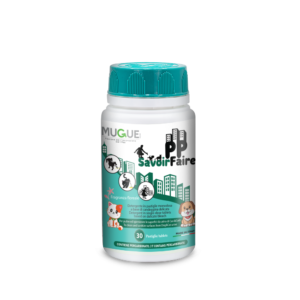
Heavier curtains require more attention. Cleaning must be delicate and targeted. In case of persistent odorsor localized accidents, such as urine near the floor, it is possible to intervene in this case with a cleaning tablet such as PPSavoir Faireto neutralize odor without compromising the fabric. For continuous and more sustainable use, the PPSavoirFaire recharge.
Curiosities and frequently asked questions about house cleaning
When it comes to house cleaning, it’s natural to ask practical questions about tools, products, and organization. Some doubts arise more often than others, especially when trying to maintain order and hygiene without turning cleaning into a constant chore. Clarifying these aspects helps you make more informed choices and manage your home with greater peace of mind, day after day.
Home Cleaning Robots: When They’re Really Useful
Home cleaning robots have become increasingly popular, especially in homes with pets. They are an excellent aid for daily floor cleaning and help reduce hair and dust accumulation. However, they cannot replace manual cleaning of surfaces like sofas, carpets, and curtains, which require specific tools and targeted interventions. The best approach is to integrate them into your routine, without considering them a one-size-fits-all solution.
Household cleaning products: better to have a few but specific ones
When it comes to household cleaning products, one of the most common mistakes is relying on universal cleaners. In reality, different surfaces require different treatments. Using specific products allows for better results, protects materials, and reduces waste. Having a few well-chosen products is often more effective than filling your cabinet with poorly targeted solutions.
How to organize house cleaning without stress
Organizing your home cleaning doesn’t mean dedicating hours to household chores. The most effective strategy is to break down cleaning into small daily tasks and weekly tasks. A few minutes a day are enough to maintain order and prevent difficult-to-manage clutter, making your home more livable in the long run.
Household products: how to choose the right ones
The best home products aren’t necessarily the most advertised, but those that address a specific need. Practical tools for everyday maintenance, specialized cleaners for unexpected situations, and sustainable solutions like refills help keep your home clean without unnecessary hassle.
Products against mites and home prevention
The search for products against mites it’s very common in homes, especially if you have pets. In addition to specific treatments, it’s essential to keep sofas, carpets, and curtains clean. Regular cleaning reduces the risk of infestations and helps create a healthier environment for the whole family.
Keeping sofas, carpets, and curtains clean doesn’t mean chasing perfection, but rather adopting more mindful habits. Understanding materials, taking timely action when needed, and choosing appropriate solutions allows you to live your home more peacefully, without unnecessary stress. A well-maintained home is, above all, a home lived in well, every day.