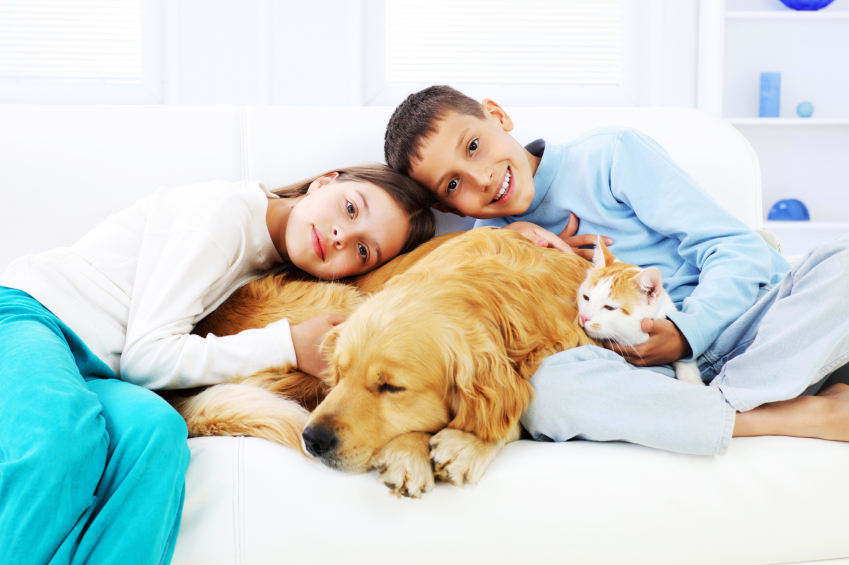
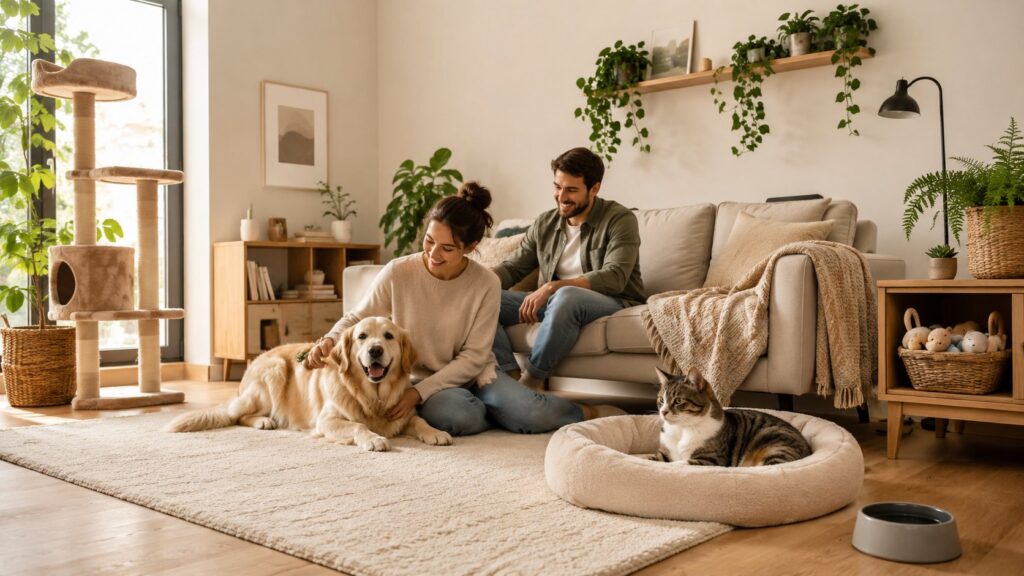
Living with a dog or a cat changes the way you experience your home. It is not just about adding a pet bed to the living room or a bowl to the kitchen: a pet-friendly home is a space designed to accommodate the needs of pets without sacrificing the comfort, order, and beauty of the rooms.
Every animal has different habits, personalities, and needs. There is the dog that always looks for a spot close to the family, the cat that prefers to observe everything from above, the curious puppy exploring every room, and the adult pet that loves peace and quiet. Making your home more suitable for them means learning to look at it from their perspective as well: what makes them feel safe? Where can they rest without being disturbed? Which objects could become a hazard? What routines help them feel better?
A pet-friendly home is born from these very questions. It does not have to be perfect, but it must be functional, safe, and capable of fostering a harmonious cohabitation.
Starting with safety
The first step toward a pet-friendly home is eliminating or reducing everyday risks. Many objects that are harmless to us can become interesting—or dangerous—to a curious animal: exposed cables, medications left on a nightstand, cleaning products in an easily opened cabinet, or small accessories that could be swallowed.
Plants also deserve close attention. Some common indoor or balcony varieties are not suitable for homes with dogs and cats, especially if the animal tends to nibble on leaves and flowers. Before choosing a new decorative plant, it is best to verify that it is compatible with the presence of pets.
Balconies, windows, and terraces are equally important. For a cat, an open window can be a temptation; for a dog, a highly exposed balcony can become a source of agitation. Netting, screens, and simple adjustments help make these spaces safer without necessarily compromising the home’s aesthetics.
Creating recognizable zones
Animals thrive when the home offers clear points of reference. You do not need a large space: even in a small apartment, you can create dedicated zones for resting, feeding, playing, and, in the case of cats, the litter box.
The resting zone should be quiet, away from constant foot traffic and sudden noises. It does not always match the spot we choose for them; often, dogs and cats will show us where they feel most comfortable. A blanket, a pet bed, or a cushion placed in the right spot can become a cozy daily retreat.
The feeding zone, on the other hand, should be stable and easily accessible. It is best to avoid highly trafficked areas near doors or narrow hallways, as some animals can feel disrupted while eating. For cats, it is crucial to separate food bowls and the litter box as much as possible—they are highly sensitive to space layout and appreciate tidy, predictable environments.
Playtime deserves special attention. A bored animal will look for stimulation on its own, perhaps targeting couches, curtains, rugs, or furniture. Providing appropriate alternatives—such as scratching posts, scent games, balls, chew toys, or short activities to do together—helps protect the home and, above all, enhances the pet’s well-being.
Thinking vertically, especially with cats
A pet-friendly home does not just develop on the floor. For cats, vertical space is essential: shelves, tall scratching posts, accessible furniture, and vantage points allow them to survey their environment, feel safer, and carve out moments of privacy.
You do not need to transform your home into an acrobatic obstacle course. Sometimes, it is enough to clear a windowsill, place a pet bed near a window, or choose a stable and well-positioned scratching post. The key is giving the cat options: staying close to the family when they want company, or moving upward when they need peace and quiet.
For dogs as well, space should be interpreted based on habits. Some love having a bed in a secluded area, while others prefer a rug near the couch or desk because they want to stay close to their people. Observing where they lie down naturally is often the best way to understand how to organize the environment.
Choosing materials that are easy to live with
A home with pets does not have to sacrifice style, but it can become much easier to manage by choosing practical materials. Removable covers, washable blankets, durable rugs, and sturdy surfaces help you enjoy your space with greater peace of mind.
The point is not to cover everything up or turn your home into a “battle zone.” On the contrary, the goal is to prevent stress. If your dog loves getting on the couch, a dedicated blanket can protect the fabric while simultaneously becoming their favorite spot. If your cat always chooses the same armchair, it is better to set up that corner with an easy-to-wash textile rather than fighting an already established habit every day.
Rugs and curtains should also be chosen realistically. Overly delicate materials can lead to frustration, whereas more durable options allow you to enjoy your home without constantly worrying about pet hair, scratches, or minor accidents.
Making the entryway a strategic zone
Anyone who lives with a dog knows it: the entryway is one of the most important spaces in the home. It is the launching pad for walks and the return point for wet paws, leashes, waste bags, toys gathered at the park, and, sometimes, a bit of mud.
Organizing this area well simplifies your routine immensely. A small corner with the leash, harness, towel, and useful accessories prevents last-minute searches and makes caring for your dog upon return feel much more natural. At certain times of the year, paws and noses may also need extra attention: heat, cold, asphalt, long walks, or rough surfaces can take a toll on these delicate areas.
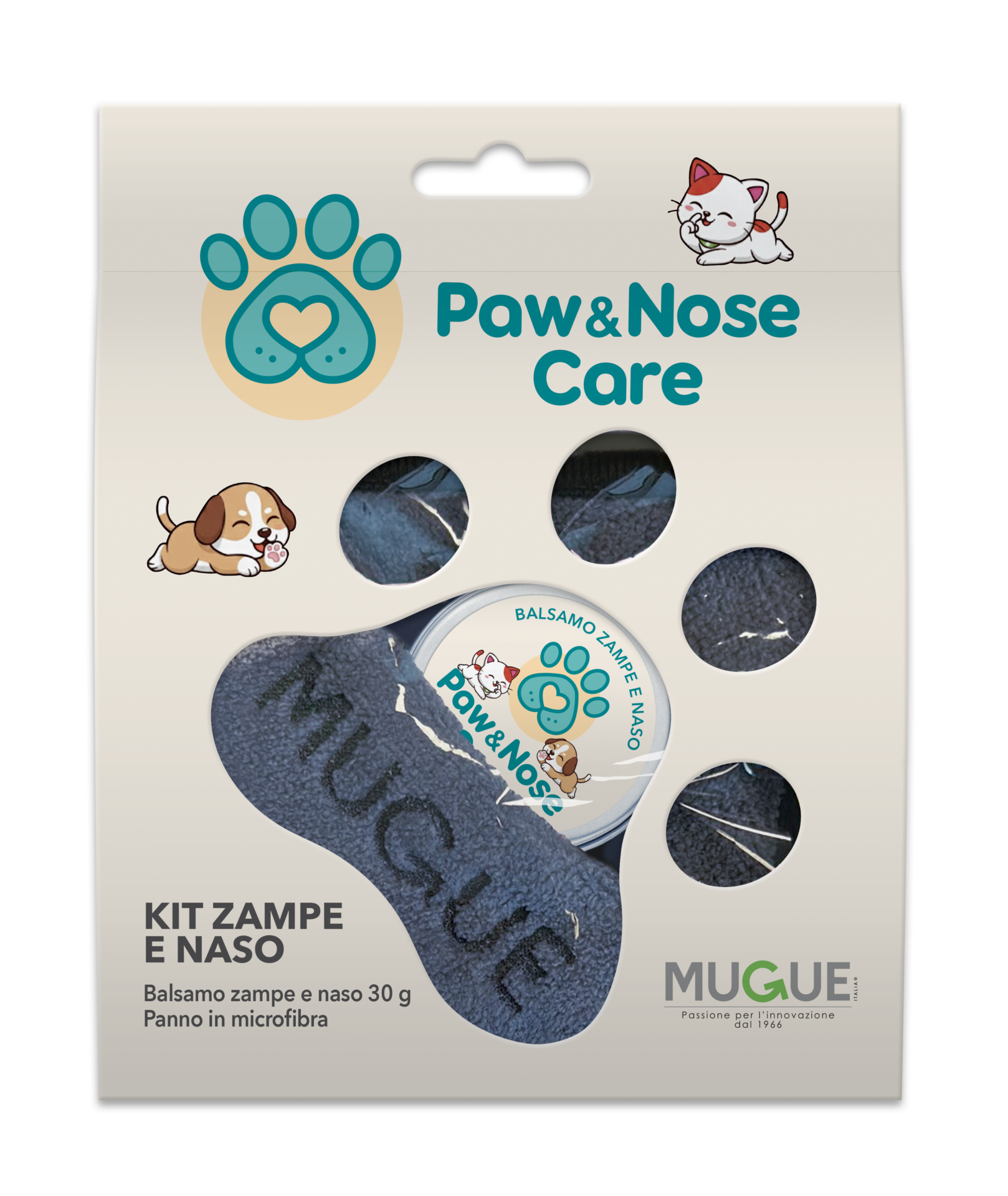
For this reason, alongside everyday accessories, it can be useful to keep a specific product on hand like Paw&Nose Care, designed to hydrate the paws and noses of dogs and cats. There is no need to turn it into a complicated task: simply integrate it into your routine, perhaps after a walk or during moments of relaxation when your pet is calmest.
Respecting the need for calm
A pet-friendly home is not just about useful objects. It is also a home where the animal can predict what will happen next. Routines, fairly regular schedules, consistent spaces, and calmly repeated gestures all contribute to creating a sense of security.
Dogs and cats can become stressed for various reasons: sudden noises, guests, changes in furniture layout, moving, home renovations, or new animals and people entering the family. In these moments, having a safe place to retreat makes all the difference. It can be a pet bed in a quiet room, a blanket under a table, a high shelf, or an area of the house where no one goes to disturb them.
It is equally important to teach people, especially children, to respect these spaces. When a dog or a cat retreats, they are not necessarily “being antisocial”—often, they are simply trying to find their balance.



Managing hair and cleaning without letting it become an obsession
In a pet-friendly home, cleanliness matters, but it should not become the center of everything. Living with an animal means accepting a certain amount of hair, odors, paw prints, and minor imperfections. The difference lies in simple, consistently repeated routines.
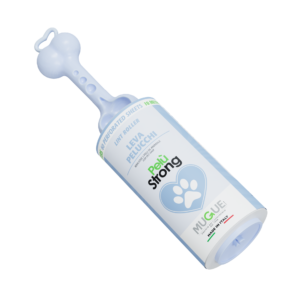
It is best to intervene a little and often, especially in the most lived-in areas: the couch, rugs, pet beds, blankets, cushions, and clothing. Keeping a practical tool like Pelù STRONG PET within reach can help remove hair from the most frequented household spaces without waiting for the problem to pile up. It is one of those small allies that work precisely because they become part of daily life: a quick pass before leaving the house, after a nap on the couch, or when tidying up the pet’s blankets.
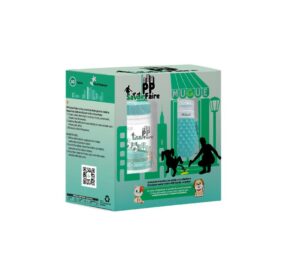
Unexpected incidents should also be expected, especially with puppies, senior animals, or newly arrived pets. In the event of urine on washable surfaces or textiles, it is important to intervene immediately with appropriate products. PPSavoirFaire, a detergent tablet designed to clean and sanitize dog and cat urine, can be included among the tools to keep on hand to manage these episodes with greater peace of mind.
The secret is not to view every minor accident as a massive problem, but rather to have a routine already in place. A pet-friendly home is not a home that is always flawless: it is a home organized to be truly lived in.