
A day at the beach with your dog is a pleasant experience, but returning home requires a little extra attention. Sand between the paw pads, damp fur, the smell of salt water, wet towels, and car seats covered in hair can quickly turn into small daily hassles.
The good news is that you don’t need to wash everything every time or disrupt your routine. A few targeted actions, done in the right order, are enough to take care of your dog and keep your car, fabrics, and home environments cleaner.
Before getting into the car: remove as much sand and moisture as possible
The post-beach routine should start before you even get back into the car. After swimming or a long stay on the sand, it is useful to spend a few minutes removing the most obvious residue from the coat, paws, and accessories.
An initial drying helps prevent moisture, sand, and odors from immediately transferring to seats, floor mats, and seat covers. Pay special attention to areas where sand tends to accumulate: belly, paws, tail, inner thighs, and the spaces between the paw pads.
The paws deserve a more thorough check. Sand, salt, and hot surfaces can leave the skin drier or more sensitive, especially after many hours away from home. Before letting the dog into the car, it is best to check that no small debris is left between the toes and to dry the paw pads well.
Upon return: do not immediately let the dog onto sofas, beds, and rugs
One of the most common mistakes is letting the dog enter the house and immediately jump onto their favorite spots. After the beach, however, the fur can still be damp and hold sand, salt water, and odors.
The most practical solution is to create a small transition zone: the entryway, bathroom, laundry room, or balcony. In this space, you can finish drying, check the fur, and remove the last remaining debris before it settles on cushions, rugs, and dog beds.
It is not always necessary to bathe your dog after every trip to the beach. In many cases, a targeted cleaning is enough, especially if the dog did not submerge completely or was already rinsed with fresh water. The important thing is not to leave the coat damp for long, as moisture increases the perception of the classic wet dog smell.
A spray of Help Spray is ideal in this case for targeted cleaning after days spent out, providing a light fragrance and sanitizing the dog’s skin and coat.
How to manage the coat after the beach
After a day at the sea, the coat can hold more dirt than usual. Sand easily hides at the base of the fur and tends to fall out little by little, often when the dog lies down on rugs, dog beds, or sofas.
A gentle brushing, after drying the dog thoroughly, helps eliminate debris and excess hair. It is best to proceed calmly, avoiding pulling the fur if there are small tangles. For long-haired or thick-coated dogs, it is also useful to check the neck, ears, belly, and the back of the legs.
This step is not only for keeping the house cleaner. It is also a useful moment to check for any redness, dry areas, small scratches, or discomfort that appeared after the beach. In case of clear irritation, pain, intense itching, or lesions, it is always best to ask your veterinarian for advice.
Car and pet carrier: act immediately before odors set in
The car is often the first environment to suffer when returning from the beach. Hair, sand, and moisture concentrate on seats, the trunk, floor mats, seat covers, and the carrier.
The advice is not to delay cleaning until the next day. Even a quick clean, done as soon as you get back, helps prevent bad odors from trapping into the fabrics. Blankets or covers used to protect the seats should be shaken out immediately and left to air dry, rather than staying locked in the trunk or a bag.
For seats and seat covers, it is helpful to remove the hair first and then deal with any damp areas or stains. The same goes for the carrier: it is best to empty it, air it out, and clean it after every day at the beach, especially if the dog got inside while still wet or covered in sand.
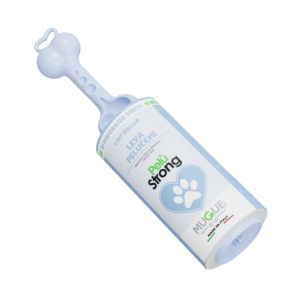
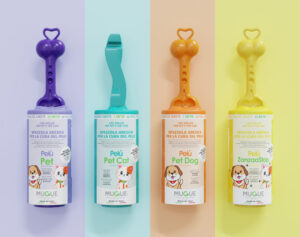
A helpful tool in these cases is Pelù Strong Pet, which is perfect for removing pet hair from seats, seat covers, and fabrics, and convenient to always keep handy in the car.
Dog beds, blankets, and towels: what to do as soon as you get home
Dog beds, blankets, and towels used after the beach should not be left piled up. The moisture trapped by fabrics is one of the main causes of unpleasant odors, especially in summer.
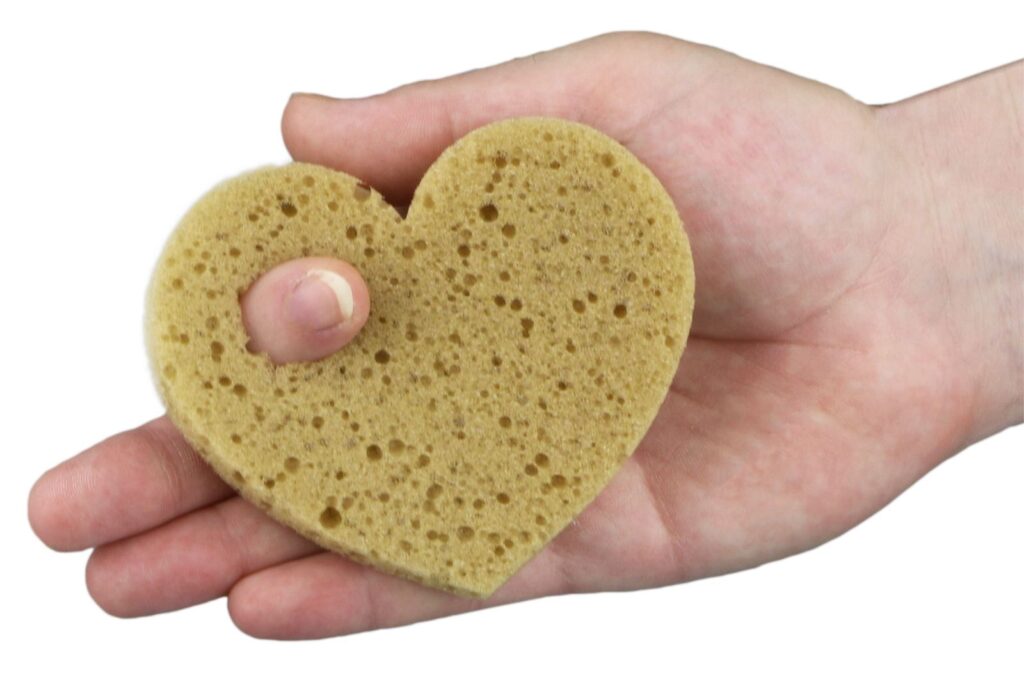
The first thing to do is to separate what is wet from what is just dusty or full of hair. Very damp towels should be hung out or washed. Blankets and dog beds, on the other hand, can be shaken out and cleaned with one of our spazzole adesive leva-peli before deciding if a full wash is necessary.
This approach avoids unnecessary washing and helps keep daily management more organized. Not everything needs to end up in the washing machine after every outing: often the real problem is acting too late, when hair, sand, and odors have already accumulated.
Sofas and home fabrics: protect the most used surfaces
The sofa is one of the most delicate areas, especially if your dog is used to climbing on it. After the beach, it is best to wait until the coat is completely dry and clean before letting them lie down on upholstered fabrics.
If your dog still tends to jump on the sofa as soon as you return, it can be useful to use a dedicated cover or throw blanket that is easy to shake out and wash. Even in this case, however, it is important not to leave it damp for hours: it is better to hang it up, air it out, and remove the hair before washing.
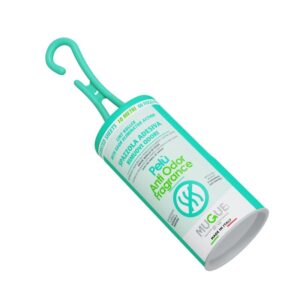
For fabrics that trap odors—such as cushions, sofa covers, throws, and padded beds—it is helpful to use products designed not only to pick up hair and dust, but also to help reduce the sensation of bad odors. An example is Pelù Anti Odor Fragrance, which is perfect for removing hair, dust, dander, and human hair while leaving a pleasant scent.
Small accidents during the trip or upon return
During days spent out, it can happen that the dog urinates in unexpected places, especially while traveling, in rest areas, near the entrance of the house, or on outdoor surfaces. In these cases, it is important to intervene immediately, not only for cleanliness but also to prevent the odor from remaining noticeable.
Hard surfaces like floors, sidewalks, courtyards, and walkways require a different treatment than fabrics. The goal is to clean the affected area and quickly reduce the odor, especially when you are away from home or on vacation.
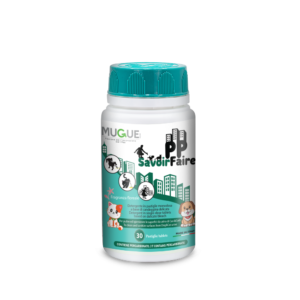
In these situations, it is very useful to always have PPSavoirFaire available to clean and sanitize surfaces affected by dog and cat urine.
A simple routine in a few minutes
The ideal routine after the beach does not have to be complicated. The important thing is to follow a logical order: first the dog, then the car, and finally the home fabrics.
First, sand and moisture are removed from the coat and paws. Then, seats, seat covers, and the carrier are checked. Once home, dog beds, blankets, and the surfaces where the dog lies down most often are managed.
With these small steps, returning from the sea becomes simpler, and the house stays fresher, tidier, and more welcoming even in summer.
Taking your dog to the beach means sharing pleasant moments, but also learning to better manage what comes home with them: sand, hair, moisture, and odors.