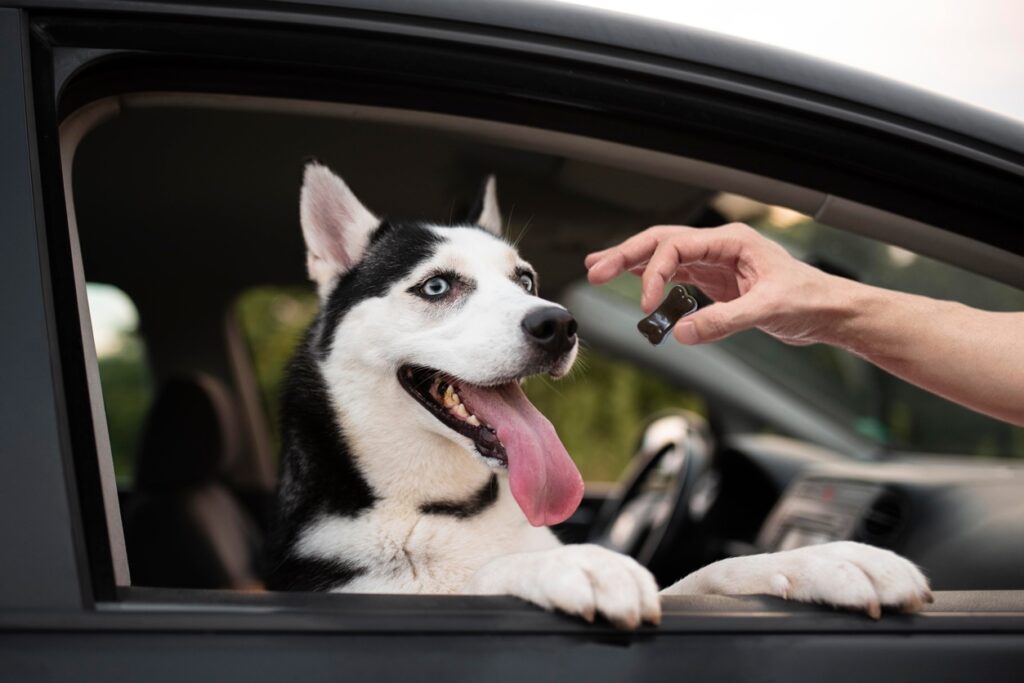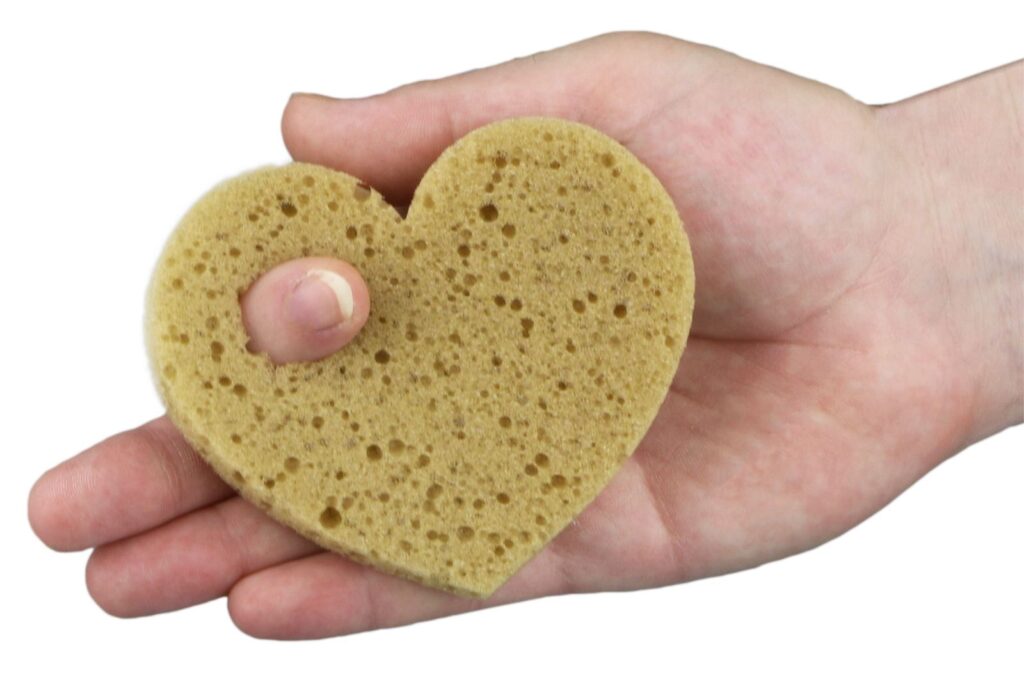

Anyone who lives with a dog or cat knows it well: there are times of the year when hair seems to appear everywhere. On the sofa, on clothes, on rugs, on blankets, and even on car seats. With the arrival of June and intense heat, the situation can become even more noticeable, as many animals go through a seasonal shedding phase.
Hair loss, in most cases, is a natural phenomenon . It is part of the normal coat renewal cycle and helps dogs and cats adapt to climate changes . However, this does not mean it is always easy to manage at home . Knowing the causes of hair loss and adopting some good habits can help keep rooms cleaner and make dealing with shedding a more serene experience.
Why dogs and cats lose hair
Animal hair is not static: it is born, grows, weakens, and falls out to make room for new hair.
This process happens throughout the year, but it can become more intense during certain periods, especially when the seasons change .
Shedding is the mechanism by which the coat renews itself and adapts to external conditions. In spring and early summer, many dogs and cats lose part of the thicker coat accumulated during the cold months . The winter coat is progressively replaced by a lighter one, more suitable for mild or warm temperatures .
Light also plays an important role . Increased daylight hours can influence the hair cycle and stimulate replacement . For this reason, it is normal to notice a larger amount of hair in the house between May and June .
However, for animals that live mainly in apartments, the situation can be different. Heating, air conditioning, and artificial lighting can make the distinction between seasons less clear. Consequently, some dogs and cats lose hair more consistently throughout the year, with more or less evident peaks during transition periods.
Seasonal shedding in dogs
In dogs, hair loss varies greatly based on breed, coat type, and lifestyle. Some have a short, dense coat, others long and silky, while others possess an abundant undercoat that renews itself visibly during shedding.
The undercoat is a softer and denser layer, useful for protecting the animal from the cold, but also from temperature fluctuations . In the warmer months, it is partially eliminated, and this can lead to a significant increase in hair on floors, fabrics, and furniture.
Breeds like shepherds, huskies, golden retrievers, labradors, and many mixed breeds with thick coats can lose large amounts of hair in a short time. Even short-haired dogs are not immune to the problem: often, their hairs are small, stiff, and difficult to remove because they tend to weave into fabric fibers.
The frequency of shedding can also depend on age, diet, health status, and time spent outdoors. A dog that lives mostly outdoors may follow a more marked seasonal rhythm, while an apartment dog may experience hair loss that is more distributed throughout the year.
Hair loss in cats
Hair management in cats has different characteristics. Cats dedicate a lot of time to grooming their coat and, by licking themselves, remove part of the dead hair. During shedding, however, the amount of ingested hair can increase and promote the formation of hairballs .
In cats as well, coat replacement is influenced by the season, light, temperature, and the home environment. Cats that live exclusively indoors can lose hair regularly throughout the year, precisely because they are less exposed to natural variations in light and climate (p. .
Long-haired cats require more careful grooming, because dead hair can accumulate and form knots, especially in areas that are harder to reach during daily cleaning . In short-haired cats, on the other hand, the loss may seem less evident on the animal itself, but becomes highly visible on cushions, sofas, throws, and dark clothing.
In any case, regular brushing is useful for cats too, provided it is introduced gently and respecting their timing. Not all cats accept it immediately, but a gradual routine can make it an enjoyable moment and help reduce stray hair around the house.
When hair loss is normal and when to pay attention
Diffuse hair loss without other symptoms is often physiological, especially during shedding. If the animal is lively, eats normally, has healthy skin, and the coat appears uniform overall, there is usually no reason to worry .
It is different, however, when hair loss is accompanied by unusual signs . Hairless patches, intense itching, redness, scabs, abundant dandruff, a dull coat, or excessive licking can indicate an issue that needs further investigation .
In these cases, it is always appropriate to consult a veterinarian . Allergies, parasites, stress, nutritional imbalances, or dermatological disorders can affect skin and coat health . Observing your pet and recognizing any changes is the first step to intervening correctly .
How to manage hair on your pet
The most effective way to reduce the presence of hair in the house is to take action before it settles on surfaces. Brushing is one of the most useful habits, especially during shedding periods.
Regularly brushing your dog or cat allows you to remove dead hair, promote coat replacement, and limit accumulation on sofas, clothes, and floors. The frequency depends on the type of coat: some animals require daily care, while others can be brushed a few times a week.
It is important to choose tools suitable for the coat and use them gently. Brushing too vigorously can irritate the skin, whereas a calm and consistent routine helps the animal get used to it. For many dogs, it can also become a bonding moment with the owner; for cats, however, it is helpful to proceed in stages, starting with short sessions.
General well-being also impacts coat quality. A balanced diet, proper hydration, a serene environment, and periodic check-ups contribute to keeping the skin and coat in good condition.
How to keep the house cleaner during shedding
During periods of increased shedding, cleaning the house requires a bit extra attention. Hair does not just accumulate on the floor: it often settles primarily on fabrics, where it is most visible and difficult to remove.
Sofas, armchairs, cushions, rugs, blankets, pet beds, coats, and car seats are among the most exposed surfaces.
Intervening regularly is more effective than waiting for it to pile up.
A good habit is to frequently wash textiles used by your pet, such as throws, blankets, and bed covers.
Protecting sofas and armchairs with washable throws can also simplify daily cleaning, especially if the dog or cat has a favorite spot to rest.
The vacuum cleaner is useful for floors and rugs, while a more targeted intervention may be needed for fabrics. In these cases, a lint roller allows you to quickly pick up hair, dust, lint, and small debris, even when you are short on time
Lint rollers: a practical help for fabrics, clothes, and sofas

When it comes to pet hair in the house, speed makes all the difference. Before going out, after the cat has lied down on your coat, or when the dog has left its mark on the sofa, having an adhesive roller close at hand can greatly simplify your routine.
Our adhesive rollers are designed to remove hair, dust, lint, hair, and other small debris from textile surfaces. They can be used on clothes, upholstered furniture, cushions,
coats, car seats, and other home fabrics, helping to maintain a tidier appearance even during shedding periods .
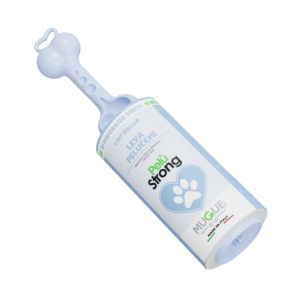
Pelù strong is recommended for those looking for an effective solution on different types of fabric, including the most delicate and suede ones. It removes hair, dust, lint, and hair, with an adhesive suitable for use in both cold or hot weather conditions.
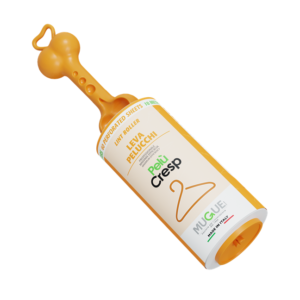
Pelù cresp is a professional adhesive lint remover roller, designed to offer maximum effectiveness in removing hair, dust, dandruff, and hair. It is also suitable for delicate and suede fabrics, and can be particularly useful when shedding is most intense.
Pelù smart roll is a practical and design-oriented solution, meant for those who want a versatile and tidy product . It is not just a simple adhesive roller: it offers two different usage modes in a single product, making it convenient to keep at home, in the car, or near the entrance .
Small daily strategies against pet hair at home
Managing dog and cat hair does not mean eliminating it completely, but reducing its presence with a simple and consistent routine. During shedding, it is useful to increase brushing frequency and pay more attention to the areas of the house where your pet spends the most time.
It is better to intervene little but often: quickly running a lint roller over the sofa, clothes, or cushions takes less time than a deep clean after days of accumulation. Keeping a lint remover tool near the closet, in the laundry room, at the entrance, or in the car allows you to use it when needed, without turning cleaning into a demanding chore.
Organizing spaces helps too.
A washable blanket on your pet’s favorite spot, an easy-to-clean bed, and carefully chosen textiles can reduce hair dispersion and make daily maintenance simpler.