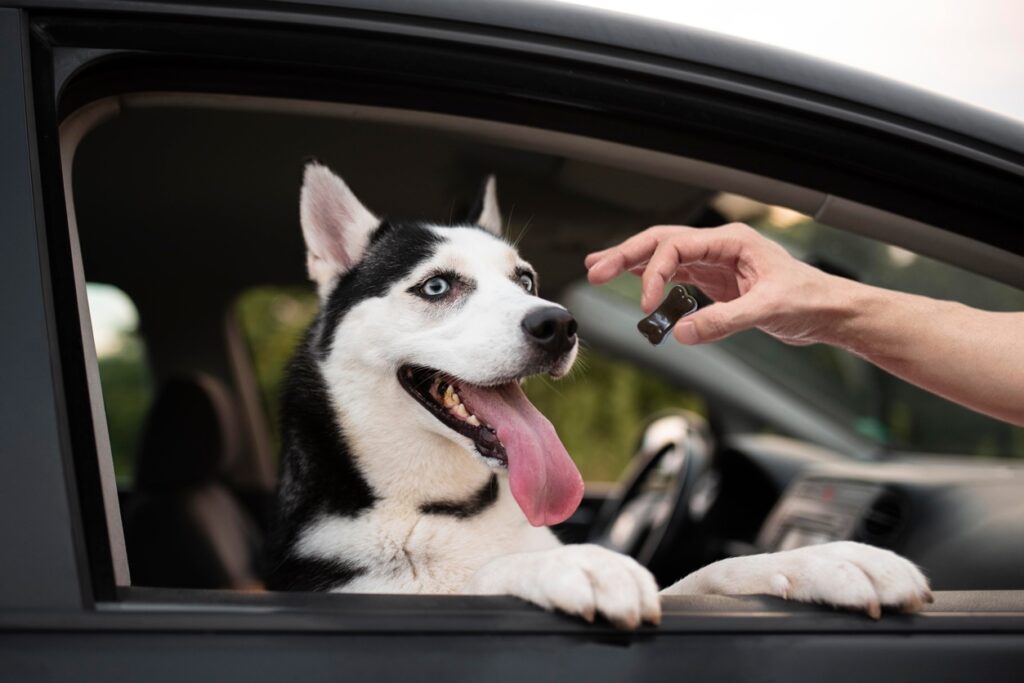

Living with a pet enriches your daily life with affection, companionship, and special moments. Allergy sufferers, however, know that having dogs and cats in the home can be challenging. Hair, dander, and organic debris easily spread throughout the home, depositing on fabrics and surfaces, and can aggravate allergy symptoms.
In this article, we’ll see why these reactions occur and what measures can help reduce them at home.
Pet allergies: why they occur
Contrary to popular belief, it’s not just the hair itself that triggers allergies, but also substances like saliva, dander, and animal urine. These microscopic particles adhere to the hair and are dispersed throughout the home, settling on carpets, sofas, curtains, and clothing. Once inhaled or in contact with the skin, they can cause sneezing, red eyes, itching, and difficulty breathing.
Did you know that the main cat allergen, Fel d1, can remain active for months on surfaces and fabrics, continuing to cause reactions even when the animal is not present in the room?
Adding to the complexity of the problem are the allergens that combine with other elements present in the home environment, such as dust, mites, and bacteria. Medical studies have shown that animal allergen particles remain suspended in the air for hours and continue to cause reactions even when the pet is not present. For this reason, it’s important to focus not only on pet care, but also on the hygiene of fabrics and surfaces.
The invisible allies of allergens: dust, mites and bacteria
Pet allergens never act alone: they often find fertile ground in other “invisible guests” that populate our homes and contribute to worsening the symptoms.
Dust is the first great ally. It accumulates particles of saliva and animal dander, which, once lifted, easily spread through the air. Although invisible, dust is a constant carrier of allergens, especially when it settles on fabrics and soft surfaces like sofas, rugs, and cushions.
Mites represent another risk factor. These tiny organisms feed on dander and epithelial cells and are among the main causes of respiratory allergies. A little-known fact is that a single mite produces an average of up to twenty microscopic excrements per day, each containing substances that are highly irritating to the respiratory tract.
Finally, bacteria, which thrive in humid or poorly ventilated environments, can easily nest in fabrics pets come into contact with: blankets, toys, beds, and even our clothing. In addition to compromising the freshness of our clothes, they contribute to poor air quality and increased allergen levels in the home.
How to reduce allergies at home
The presence of pets doesn’t have to mean constant annoyances: with some targeted attention, it’s possible to significantly reduce allergens in the environment.
The first rule concerns daily cleaning. Vacuuming with high-efficiency HEPA filters captures up to 99.97% of particles larger than 0.3 microns, including those responsible for allergies. It’s also helpful to regularly wash blankets, beds, and pet toys: fabrics washed at at least 60 degrees Celsius dramatically reduce the presence of mites and bacteria.
Ventilation also plays an important role, as it helps disperse allergens that remain suspended in the air. Studies show that in homes with pets, the concentration of allergen particles can be two to five times higher than in a home without pets.
Finally, a useful measure is to limit the access of animals to the most sensitive rooms, such as the bedroom, where we spend many consecutive hours and the symptoms can worsen.
The tested solution: our lint rollers
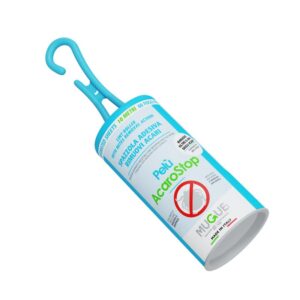
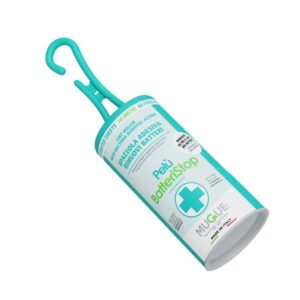
In addition to good daily practices, it’s helpful to rely on tools that offer targeted action against allergens. Our lint rollers are designed with this very purpose: they don’t just remove hair and lint, but thanks to advanced scientific research, they’re proven effective against mites and bacteria, among the main causes of allergic reactions. They’re also patented internationally and in the USA.
- Pelu Acarostop: mechanically removes up to 99.24% of mites, significantly reducing the allergenic load present in fabrics.
- Pelu Batteristop: mechanically removes up to 90% of bacteria, ensuring more hygienic and safer clothing and surfaces.
Thanks to their practicality, these brushes can be used every day on clothes, sofas, cushions and curtains, transforming a simple gesture into concrete protection for those who live with animals.
Additional practical advice
Reducing pet allergies is possible through small daily actions that, when combined, make a difference. Regularly washing your pet’s beds, blankets, and toys helps keep bacterial counts under control and limit dander buildup. Brushing your pet outdoors, when possible, prevents hair from spreading throughout the home and reduces the amount of allergens deposited on fabrics.
When cleaning surfaces, it’s best to use slightly damp cloths rather than simply dusting: this prevents dust from being raised and spreading into the air. Special attention should also be paid to home textiles—curtains, cushions, and sofas—which easily absorb and retain allergens. Regularly brushing these items, as well as clothing, with Mugue lint rollers helps maintain a healthier environment, making it suitable for those with respiratory sensitivities.
Seasonal advice: In spring and fall, when animals shed more heavily, it’s helpful to increase house cleaning and use lint rollers. This reduces the accumulation of hair and allergens precisely when the risk is greatest.