
Urine marking is a natural behavior in dogs, linked to chemical communication. In urban settings, however, it can cause hygiene problems and compromise the livability of public spaces.
Understanding the causes of this behavior allows for effective management, respecting both animal welfare and urban decorum. This article explores the ethological reasons behind urine marking and offers concrete solutions for addressing it responsibly.
Why do dogs mark their territory with urine?
Urine marking is a communicative behavior through which dogs transmit chemical information to other individuals of the same species. Urine contains pheromones and olfactory signals that indicate, for example, identity, sex, reproductive status, and territorial presence.
This behavior differs from urination related to physiological needs: the volume of urine is reduced, the frequency is greater and the posture – such as the act of lifting the paw – is aimed at placing the signal in visible or elevated points.
Marking occurs more frequently in intact males, but can also affect females and sterilized subjects, in response to environmental stimuli or stressful situations.
From an ethological perspective, it represents a social and territorial communication strategy. It allows us to delimit our perceived personal space and reduce conflict between individuals through indirect signals.
The effectiveness of marking is closely linked to the dog’s exceptional olfactory sensitivity. The canine olfactory system is capable of detecting minute concentrations of chemicals thanks to the presence of over 200 million olfactory receptors, compared to approximately 5 million in humans. Furthermore, dogs are equipped with an accessory organ—the vomeronasal organ (or Jacobson’s organ)—specialized in the perception of pheromones. This allows them to decode complex information from the urine of other animals, making marking a highly efficient means of communication.
Common causes of marking
Urine spraying in dogs can be triggered by various factors, not necessarily related to a pathological condition. It’s essential to analyze the context to identify the specific cause and intervene appropriately.
Among the most frequent causes are:
- External olfactory stimuli, such as the recent presence of other animals in the area, which induce the dog to superimpose its own scent to reaffirm its presence.
- Environmental changes, including moves, changes in household composition, or the arrival of new pets in the home.
- Conditions of stress or insecurity, which can lead the dog to mark more frequently to reinforce the perception of control over the environment.
- Sexual maturation, which coincides with an increase in territorial instinct, especially in uncastrated male subjects.
- Intra- or interspecific communication, aimed at signaling reproductive availability or at demarcating the territory in areas shared with other animals.
In addition to the territorial component, there is a form of marking linked to emotional factors, such as anxiety, insecurity, or relational problems. In these cases, the behavior can also manifest itself within the home or in situations not related to territorial boundaries. These episodes are sometimes associated with separation stress, social competition, or sudden environmental changes, and may require the intervention of a veterinary behaviorist.
It’s important to distinguish marking from abnormal behaviors related to medical conditions, such as urinary tract infections or incontinence. When in doubt, a veterinary evaluation is always recommended.
How to manage and reduce urine marking
Managing urine spraying requires a comprehensive approach that considers both the dog’s well-being and its environment. Intervention should be based on behavioral observation, correcting any underlying causes, and adopting good hygiene and behavioral practices.
Among the most effective strategies are:
- Behavioral modification: through training and positive reinforcement, you can direct your dog to urinate in appropriate areas. Using consistent commands and immediate rewards promote learning.
- Environmental stress control: reducing disruptive factors (such as loud noises, the constant presence of strangers, or a lack of routine) can decrease the need to mark.
- Sterilization: in many cases, castration or ovariectomy significantly reduces the frequency of marking, especially in intact male subjects.
- Complete elimination of residual odors: Affected surfaces must be thoroughly cleaned with products capable of neutralizing the chemical components of urine. The use of unsuitable detergents, such as ammonia, can aggravate the problem, as it mimics the odor of urine itself. It is essential to avoid the use of ammonia-based products, as their odor is similar to that of urine and could stimulate further marking in the same area. Likewise, scented detergents without neutralizing properties are insufficient to eliminate the chemical signals detectable by dogs. It is preferable to use products specifically formulated for the removal of urine markings, capable of also acting on molecular residues not detectable by humans.
- Veterinary evaluation: if the behavior appears suddenly or is excessive, it is advisable to exclude underlying pathologies, particularly of the urinary tract or of a hormonal nature.
The goal of the intervention is not to suppress a natural behavior, but to reduce its negative impact through solutions that respect both the animal and the environment in which it lives.
Civic sense and urban coexistence
Urine marking, while natural, can have a significant impact on the hygiene and decorum of public spaces. Sidewalks, doorways, ornamental planters, and business entrances are often exposed to this type of contamination, which not only creates unpleasant odors but can also be unsightly and disrespectful to the community.
In an urban context, pet owners are responsible for ensuring not only their dog’s well-being but also the proper use of shared spaces. The concept of “civic sense” translates into responsible behaviors that include:
- collect solid waste;
- clean surfaces contaminated by urine to prevent bad odors and bacterial buildup;
- respect sensitive areas such as shop entrances, windows and private spaces.
The use of specific urine cleaning products helps maintain a cleaner and more pleasant urban environment, promoting a balanced coexistence between citizens and animals.
A concrete ally: the PP SavoirFaire Kit
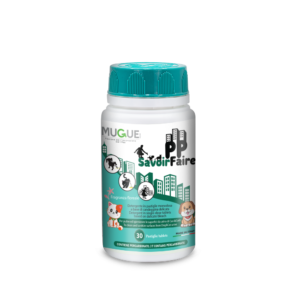
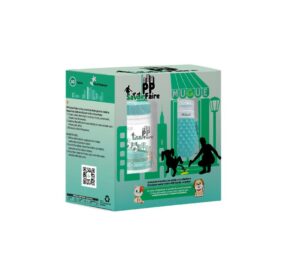
To support effective hygienic management of urine marking in public spaces, it is useful to have practical and easily transportable tools. This is where the PP SavoirFaire Kit, developed to allow the cleaning and sanitization of surfaces contaminated by dog and cat urine, even outside the home environment.
The kit consists of:
- a 90ml water bottle with carabiner, easily attachable to leashes or bags;
- a jar of 30 single-dose tablets based on active oxygen and enriched with a floral fragrance.
By dissolving a tablet in the water bottle, you obtain an effective cleaning solution for:
- remove urine from pavements, sidewalks, entryways and hard surfaces;
- sanitize the affected area, helping to neutralize bad odors;
- promote good practices of urban responsibility and collective respect.
Thanks to its gentle yet active formulation, PP SavoirFaire represents a valid support for owners who are attentive not only to the health of their pet, but also to the quality of public spaces.